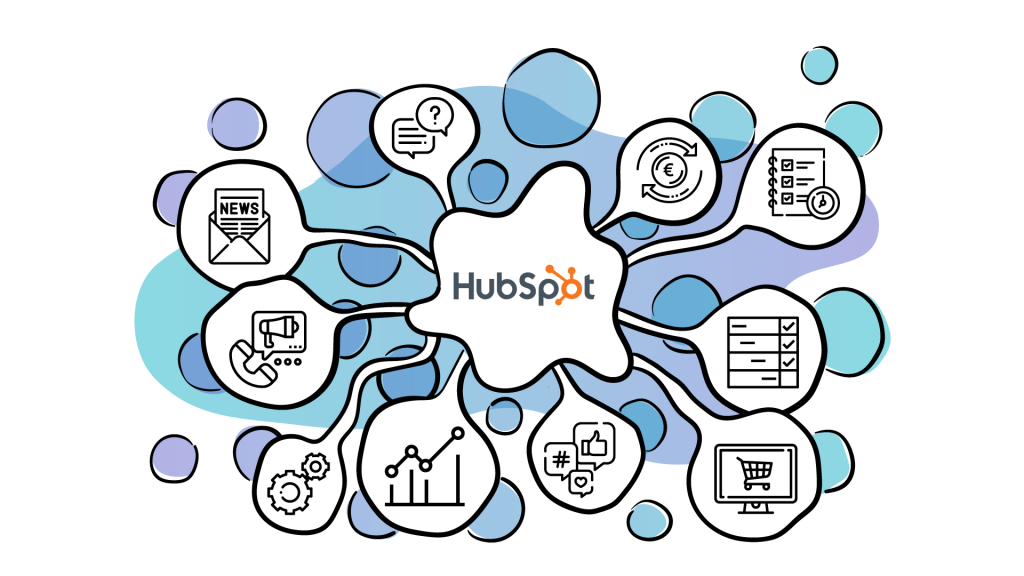
In today’s competitive business environment, managing customer relationships effectively is crucial for success. HubSpot CRM has emerged as a powerful solution for businesses looking to streamline their sales, marketing, and customer service operations. This comprehensive guide explores everything you need to know about HubSpot CRM, its features, benefits, and how it can transform your business.
What is HubSpot CRM?
HubSpot CRM is a cloud-based customer relationship management system designed to help businesses of all sizes manage their interactions with current and potential customers. Developed by HubSpot, a leading provider of inbound marketing, sales, and customer service software, HubSpot CRM offers a robust set of tools to enhance customer relationship management.
Key Features of HubSpot CRM
HubSpot CRM comes equipped with a wide range of features that cater to various business needs. Here are some of the key features that make HubSpot CRM stand out:
1. Contact Management
HubSpot CRM allows businesses to store and manage detailed information about their contacts. This includes names, email addresses, phone numbers, and communication history. The centralized contact database ensures that all customer data is easily accessible and up-to-date.
2. Sales Pipeline Management
HubSpot CRM offers powerful tools to manage and track sales pipelines. Businesses can create and customize their sales pipelines, monitor deal stages, and forecast sales with ease. The visual dashboard provides a clear overview of all deals, helping sales teams stay organized and focused.
3. Email Integration
With HubSpot CRM, businesses can integrate their email accounts and track email interactions. This feature allows users to send emails directly from the CRM, log email conversations, and receive notifications when emails are opened or clicked. It ensures seamless communication and helps build stronger customer relationships.
4. Marketing Automation
HubSpot CRM includes marketing automation tools that enable businesses to create and manage marketing campaigns efficiently. Features like email marketing, social media integration, and lead nurturing workflows help businesses engage with their audience and drive conversions.
5. Customer Service Tools
HubSpot CRM provides a suite of customer service tools to enhance the support experience. This includes a help desk, ticketing system, and knowledge base. Businesses can manage customer inquiries, resolve issues promptly, and provide self-service options to customers.
6. Analytics and Reporting
HubSpot CRM offers comprehensive analytics and reporting capabilities. Users can generate detailed reports on sales performance, marketing campaigns, and customer service metrics. Customizable dashboards provide real-time insights, enabling businesses to make data-driven decisions.
7. Integration Capabilities
HubSpot CRM seamlessly integrates with a wide range of third-party applications and services. This includes popular tools like Gmail, Outlook, Shopify, and Salesforce. The extensive integration capabilities ensure that businesses can connect their CRM with other essential tools and streamline their workflows.
8. Mobile Access
HubSpot CRM’s mobile app allows users to access CRM data and perform tasks on the go. The app provides real-time updates, offline access, and push notifications, ensuring that sales and support teams can stay productive from anywhere.
Benefits of Using HubSpot CRM
Implementing HubSpot CRM can bring numerous benefits to your business. Here are some of the most significant advantages:
1. Enhanced Customer Relationships
HubSpot CRM provides a 360-degree view of customer interactions, enabling businesses to understand their customers better. This leads to more personalized communication, improved customer satisfaction, and stronger relationships.
2. Increased Sales Efficiency
With tools to automate sales processes and track deals, HubSpot CRM helps sales teams work more efficiently. Automated follow-ups, task reminders, and pipeline management features ensure that no opportunities are missed, leading to higher sales conversion rates.
3. Streamlined Marketing Efforts
HubSpot CRM’s marketing automation capabilities allow businesses to create targeted campaigns and nurture leads effectively. By tracking customer interactions and behaviors, businesses can deliver personalized marketing messages that resonate with their audience.
4. Improved Customer Service
The customer service tools in HubSpot CRM enable businesses to provide prompt and efficient support. With a centralized ticketing system and self-service options, businesses can resolve issues quickly and enhance the overall customer experience.
5. Data-Driven Decision Making
HubSpot CRM’s analytics and reporting tools provide valuable insights into various aspects of the business. By analyzing sales, marketing, and customer service data, businesses can make informed decisions, identify trends, and optimize their strategies for better results.
6. Scalability
HubSpot CRM is designed to grow with your business. Whether you’re a small startup or a large enterprise, HubSpot CRM can scale to meet your needs. The platform’s modular design allows you to add or remove features as required, ensuring long-term flexibility.
7. Cost-Effective Solution
HubSpot CRM offers a free version with essential features, making it an attractive option for small businesses and startups. The paid plans provide advanced functionalities at competitive prices, ensuring that businesses get maximum value for their investment.
How to Get Started with HubSpot CRM
Getting started with HubSpot CRM is a straightforward process. Here’s a step-by-step guide to help you begin:
Step 1: Sign Up
Visit the HubSpot website and sign up for a free account. HubSpot CRM offers a free tier with basic features, as well as paid plans with more advanced capabilities. Choose the plan that best fits your business needs.
Step 2: Set Up Your Account
After signing up, set up your HubSpot CRM account by entering your business information and customizing your settings. This includes configuring your contact properties, deal stages, and email integration.
Step 3: Import Your Data
Import your existing customer data into HubSpot CRM. The platform supports data import from various sources, including spreadsheets, other CRM systems, and third-party applications. Ensure that your data is clean and accurate before importing.
Step 4: Customize Your CRM
Customize HubSpot CRM to align with your business processes. This includes setting up custom properties, creating deal pipelines, and configuring automation workflows. Tailor the CRM to match your sales, marketing, and customer service strategies.
Step 5: Integrate with Other Tools
HubSpot CRM integrates with numerous third-party applications. Connect your CRM with the tools you use regularly, such as email clients, marketing platforms, and customer support software. This will streamline your workflows and ensure a seamless experience.
Step 6: Train Your Team
Ensure that your team is familiar with HubSpot CRM’s features and functionalities. HubSpot offers a variety of training resources, including tutorials, webinars, and certification courses, to help your team get up to speed.
Step 7: Start Using HubSpot CRM
Once everything is set up, start using HubSpot CRM to manage your sales, marketing, and customer service activities. Monitor your progress and make adjustments as needed to optimize your processes and achieve your business goals.
Best Practices for Using HubSpot CRM
To get the most out of HubSpot CRM, follow these best practices:
1. Regularly Update Your Data
Keep your CRM data up-to-date to ensure accuracy and relevance. Regularly clean your database to remove duplicate or outdated records.
2. Leverage Automation
Utilize HubSpot CRM’s automation features to reduce manual effort and increase efficiency. Set up workflows to automate tasks like lead nurturing, follow-up emails, and data entry.
3. Personalize Customer Interactions
Use the data in HubSpot CRM to personalize your interactions with customers. Tailor your communication and offers based on customer preferences and behaviors to enhance engagement and satisfaction.
4. Monitor Key Metrics
Track key performance indicators (KPIs) using HubSpot CRM’s reporting and analytics tools. Monitor metrics such as lead conversion rates, sales pipeline health, and customer satisfaction to identify areas for improvement.
5. Foster Collaboration
Encourage collaboration across departments by ensuring that all customer interactions are logged and shared in the CRM system. This improves communication and enhances the overall customer experience.
6. Continuously Improve
Regularly review your CRM processes and make improvements as needed. Stay updated with HubSpot CRM’s new features and updates to take advantage of the latest tools and functionalities.
Conclusion
HubSpot CRM is a powerful tool that can transform the way you manage customer relationships, sales processes, and marketing campaigns. With its extensive features, scalability, and cost-effectiveness, HubSpot CRM is an excellent choice for businesses of all sizes looking to enhance their CRM strategy. By following the best practices outlined in this guide, you can maximize the benefits of HubSpot CRM and drive your business toward greater success.
Whether you’re new to CRM systems or looking to switch from another platform, HubSpot CRM offers the flexibility and functionality you need to stay competitive in today’s fast-paced business environment. Sign up for HubSpot CRM today and take the first step toward optimizing your customer relationship management.
