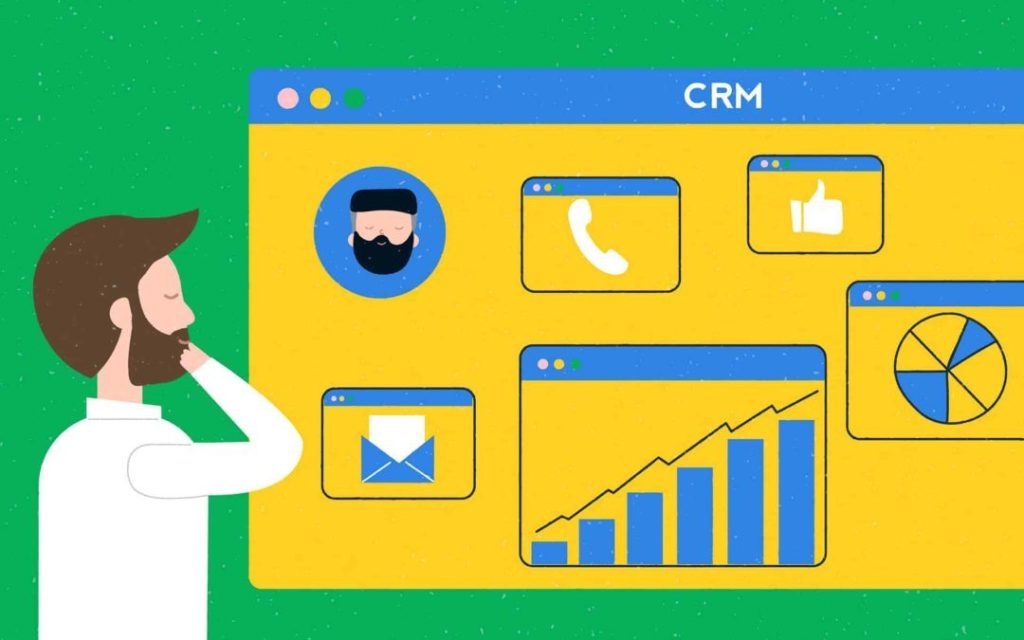
In the digital age, customer relationship management (CRM) tools have become indispensable for businesses aiming to streamline their interactions with customers, enhance efficiency, and drive growth. This comprehensive guide delves into the world of CRM tools, exploring their features, benefits, and best practices for implementation. Whether you’re a small business or a large enterprise, understanding and utilizing CRM tools can transform your customer relationship management strategy.
What are CRM Tools?
CRM tools are software solutions designed to help businesses manage their interactions with current and potential customers. These tools centralize customer data, automate routine tasks, and provide analytical insights to improve customer service, sales, and marketing efforts. By integrating various aspects of customer relationship management, CRM tools enable businesses to build stronger relationships, increase sales, and enhance overall customer satisfaction.
Key Features of CRM Tools
A robust CRM tool encompasses a wide range of features tailored to meet the diverse needs of businesses. Here are some essential features:
1. Contact Management
CRM tools offer comprehensive contact management capabilities, allowing businesses to store and manage detailed information about their contacts. This includes contact details, communication history, and customer preferences. A centralized database ensures that all customer information is easily accessible and up-to-date.
2. Sales Pipeline Management
CRM tools provide powerful sales pipeline management features that help businesses track and manage their sales process. Users can monitor lead status, forecast sales, and analyze sales performance. The visual dashboard offers a clear overview of all sales activities, helping sales teams stay organized and focused.
3. Marketing Automation
Advanced marketing automation tools in CRM software enable businesses to create, execute, and analyze marketing campaigns. Features like email marketing, social media integration, and lead nurturing workflows drive customer engagement and conversions.
4. Customer Service Management
CRM tools enhance customer service operations with features like a help desk, ticketing system, and knowledge base. These tools enable businesses to manage customer inquiries and support requests efficiently, improving the overall support experience.
5. Analytics and Reporting
CRM tools offer robust analytics and reporting capabilities that provide insights into various aspects of the business. Users can generate detailed reports on sales performance, marketing campaign effectiveness, and customer service metrics. Customizable dashboards help businesses make data-driven decisions.
6. Workflow Automation
Workflow automation in CRM tools allows businesses to automate routine tasks and processes. This includes setting up workflows for lead nurturing, task assignments, and data updates, reducing manual effort and improving operational efficiency.
7. Mobile Access
Many CRM tools offer mobile applications that ensure sales and support teams can access customer information and perform tasks on the go. Mobile access enhances productivity and responsiveness by providing real-time updates and offline access.
8. Integration Capabilities
CRM tools integrate seamlessly with a variety of third-party applications and services, such as email clients, marketing platforms, and customer support tools. This extensive integration capability ensures a cohesive workflow and enhances the overall functionality of the CRM system.
Benefits of Using CRM Tools
Implementing CRM tools offers numerous benefits that can significantly impact a business’s success. Here are some key advantages:
1. Improved Customer Relationships
CRM tools provide a comprehensive view of customer interactions, enabling businesses to understand their needs and preferences better. This leads to more personalized interactions and stronger customer relationships.
2. Increased Sales and Revenue
By automating sales processes and providing insights into customer behavior, CRM tools help sales teams focus on high-priority leads and close more deals. This directly contributes to increased sales and revenue.
3. Enhanced Customer Retention
CRM tools help businesses stay connected with customers through timely follow-ups and personalized communication. Satisfied customers are more likely to remain loyal, leading to higher retention rates.
4. Greater Efficiency and Productivity
Automation of routine tasks frees up time for employees to focus on strategic activities. This leads to greater efficiency and productivity across sales, marketing, and customer support teams.
5. Better Decision Making
With access to real-time data and comprehensive reports, businesses can make informed decisions. Analytics and reporting tools provide valuable insights into market trends, sales performance, and customer behavior.
6. Scalability
CRM tools are designed to grow with your business. They can accommodate increasing data volumes and support expanding teams and processes, ensuring long-term scalability.
7. Cost-Effective Solution
CRM tools can be a cost-effective solution for businesses of all sizes. They help optimize resources, reduce operational costs, and improve ROI by streamlining processes and enhancing productivity.
Types of CRM Tools
There are several types of CRM tools, each designed to cater to different business needs. Here are the primary types:
1. Operational CRM
Operational CRM focuses on automating customer-facing processes. It includes features like sales automation, marketing automation, and customer service management. This type of CRM helps streamline daily operations and improve efficiency.
2. Analytical CRM
Analytical CRM is centered around analyzing customer data to gain insights and improve decision-making. It includes tools for data mining, reporting, and predictive analytics. This type of CRM helps businesses understand customer behavior and market trends.
3. Collaborative CRM
Collaborative CRM, also known as strategic CRM, focuses on improving communication and collaboration between different departments. It ensures that all customer interactions are tracked and shared across the organization, enhancing the overall customer experience.
4. Campaign Management CRM
Campaign management CRM is designed to manage and optimize marketing campaigns. It includes features for segmenting audiences, creating campaign workflows, and measuring campaign effectiveness.
Popular CRM Tools
Here are some of the most popular CRM tools available in the market:
1. Salesforce CRM
Salesforce CRM is a leading cloud-based CRM solution known for its scalability, customization capabilities, and robust integration options. It offers a comprehensive suite of tools for sales, marketing, customer service, and more.
2. HubSpot CRM
HubSpot CRM is a popular choice for small and medium-sized businesses. It offers a free tier with essential features and paid plans with advanced functionalities. HubSpot CRM is known for its user-friendly interface and seamless integration with other HubSpot tools.
3. Zoho CRM
Zoho CRM provides a cost-effective solution with a wide range of features, including sales automation, marketing automation, and customer service management. It is suitable for businesses of all sizes and offers extensive customization options.
4. Microsoft Dynamics 365
Microsoft Dynamics 365 is a powerful CRM and ERP solution that integrates seamlessly with other Microsoft products. It offers robust features for sales, marketing, customer service, and more, making it a suitable choice for large enterprises.
5. Pipedrive
Pipedrive is a sales-focused CRM tool designed to help sales teams manage their pipelines and close deals more effectively. It offers an intuitive interface and powerful automation features, making it a popular choice for sales-driven businesses.
Steps to Implementing CRM Tools
Implementing CRM tools requires careful planning and execution. Here are the steps to ensure a successful implementation:
Step 1: Define Your Objectives
Before selecting CRM tools, define your business objectives. Determine what you aim to achieve with the CRM, such as improving customer retention, increasing sales, or enhancing marketing efforts.
Step 2: Choose the Right CRM Tool
Select CRM tools that align with your business needs and goals. Consider factors such as features, scalability, ease of use, and integration capabilities. Evaluate different options and choose the one that best fits your requirements.
Step 3: Plan Your Implementation
Develop a detailed implementation plan that outlines the steps, timeline, and resources required. Assign roles and responsibilities to team members and set clear milestones.
Step 4: Customize the CRM
Customize the CRM tools to match your business processes. This includes setting up modules, fields, and workflows that align with your sales, marketing, and customer service strategies.
Step 5: Migrate Your Data
Import your existing customer data into the CRM system. Ensure that the data is clean and accurate to avoid any issues during the migration process.
Step 6: Train Your Team
Provide comprehensive training to your team members to ensure they are comfortable using the CRM tools. Offer ongoing support and resources to help them make the most of the system’s features.
Step 7: Monitor and Optimize
After implementation, continuously monitor the CRM system’s performance. Gather feedback from users and make necessary adjustments to optimize processes and improve efficiency.
Best Practices for Using CRM Tools
To maximize the benefits of your CRM tools, follow these best practices:
1. Keep Data Clean and Updated
Regularly update your CRM data to ensure accuracy and relevance. Remove duplicate or outdated records to maintain a clean database.
2. Automate Routine Tasks
Leverage automation features to reduce manual effort and increase efficiency. Set up workflows for tasks like lead nurturing, follow-up emails, and data entry.
3. Personalize Customer Interactions
Use the data in your CRM system to personalize interactions with customers. Tailor your communication and offers based on customer preferences and behavior to enhance engagement and satisfaction.
4. Track Key Metrics
Monitor key performance indicators (KPIs) to assess the effectiveness of your sales, marketing, and customer service efforts. Use reports and dashboards to track metrics such as lead conversion rates, sales pipeline health, and customer satisfaction.
5. Foster Collaboration
Encourage collaboration across departments by ensuring that all customer interactions are logged and shared in the CRM system. This improves communication and enhances the overall customer experience.
6. Continuously Improve
Regularly review your CRM processes and make improvements as needed. Stay updated with the latest CRM features and updates to take advantage of new tools and functionalities.
Conclusion
CRM tools are essential for businesses looking to improve customer relationships, streamline processes, and boost profitability. By implementing robust CRM tools and following best practices, companies can unlock the full potential of customer relationship management. Whether you are a small startup or a large enterprise, CRM tools can help you stay competitive in today’s fast-paced business environment.
Investing in the right CRM tools and using them effectively can transform your business operations and lead to sustained growth and success. Explore the various options available, choose the best fit for your needs, and start reaping the benefits of enhanced customer relationship management today.
